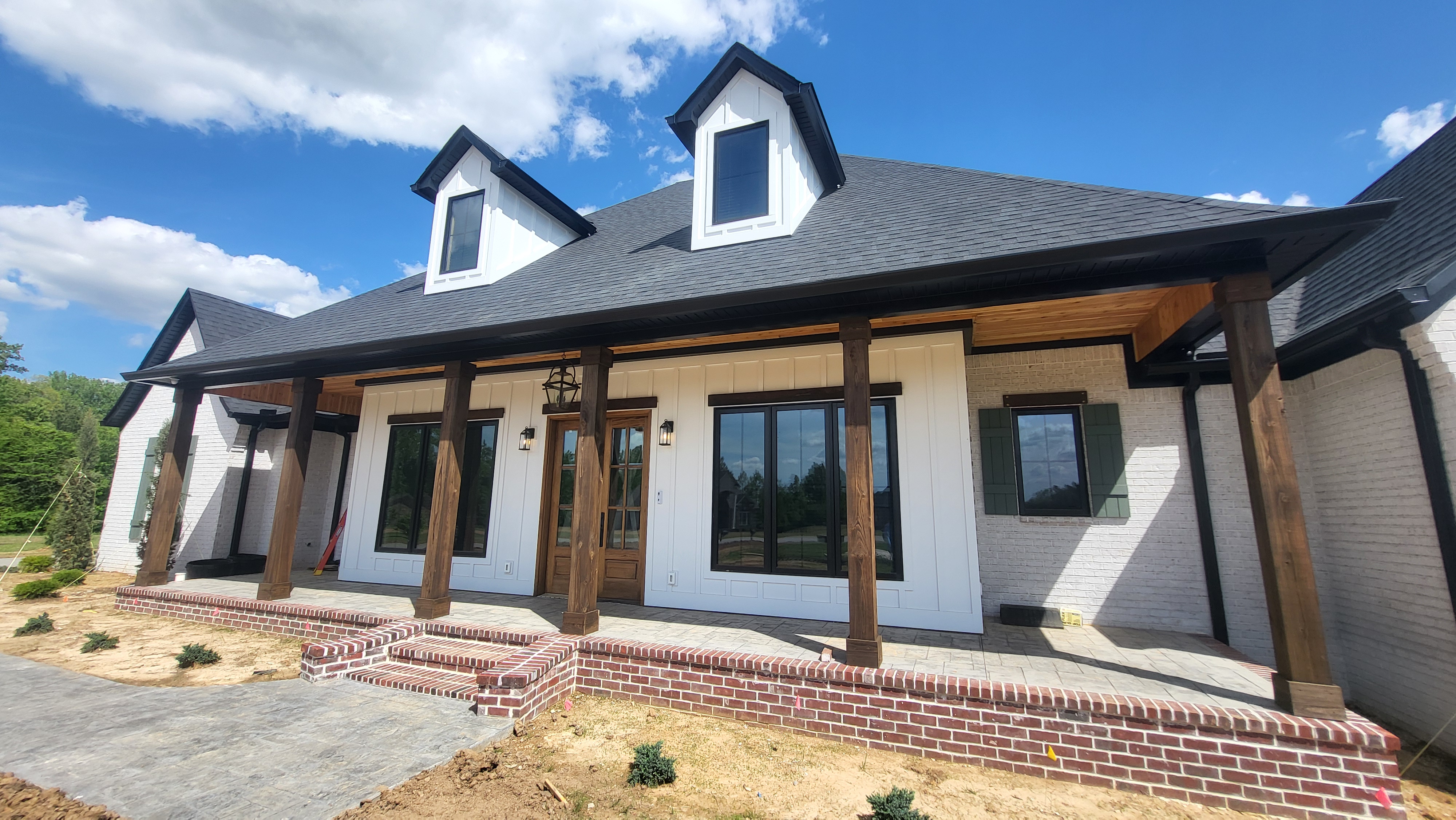
The Role of Technology in Modern Construction: Insights from Legacy Construction Nov 04, 2025
At the forefront of these advancements is Building Information Modeling (BIM), a revolutionary tool that allows construction professionals to create comprehensive digital representations of physical and functional characteristics of places. BIM enables contractors, architects, and clients to visualize projects in a three-dimensional environment before ground is broken. This foresight helps to identify potential design flaws or logistical challenges early, preventing costly changes later in the construction process. Legacy Construction has integrated BIM into their workflow, ensuring that each project benefits from this meticulous planning.
Another sphere where technology is making a significant impact is through the use of drones. On-site, drones provide a bird’s-eye view, allowing for detailed aerial surveys and real-time monitoring of project progress. By capturing high-resolution images and videos, they enhance project management capabilities and facilitate communication between stakeholders. Drones also improve safety by reaching hazardous areas, reducing the need for manual inspections and thus minimizing on-site risks.
The rise of smart construction tools is further transforming the industry. Wearable technology such as smart helmets and augmented reality (AR) glasses are now common sights on construction sites. These devices enhance workers’ abilities by providing real-time data, improving accuracy, and facilitating instant communication. For Legacy Construction, implementing such technology has contributed to more efficient workflows and streamlined operations.
3D printing is another groundbreaking technology reshaping modern construction. No longer confined to the realms of design and small-scale manufacturing, 3D printing is now being harnessed to quickly produce building components and even entire structures. This technology reduces material waste, shortens build times, and can cut costs significantly. As sustainability becomes a paramount concern, the environmentally friendly aspects of 3D printing align perfectly with Legacy Construction’s commitment to sustainable building practices.
The incorporation of construction management software has also revolutionized the way projects are handled. These platforms provide a centralized hub for management, where schedules, contracts, and budgets can be efficiently tracked and updated. For companies like Legacy Construction, such software ensures a seamless flow of information, reducing delays and improving accountability among teams.
While technology in construction presents vast opportunities, it also comes with its set of challenges. Integrating new technologies requires substantial investment in both time and resources. Training personnel to adeptly use these tools is crucial to maximizing their benefits. However, the return on investment can be significant, as these technologies improve not just speed and efficiency but also enhance safety and reduce waste.
In conclusion, the role of technology in modern construction is both transformative and essential. By embracing these innovations, Legacy Construction not only strengthens its competitive edge but also sets a new standard for excellence in the industry. As we look to the future, the partnership between construction and technology promises to deliver increasingly sophisticated, sustainable, and efficient building solutions. For clients seeking forward-thinking construction and remodeling services, this technological integration signifies unmatched quality and precision, hallmarks of Legacy Construction’s mission to build for a better tomorrow.
/filters:no_upscale()/filters:format(webp)/media/aac17b98-c157-4a2d-8e56-32330505f4b1.jpeg)